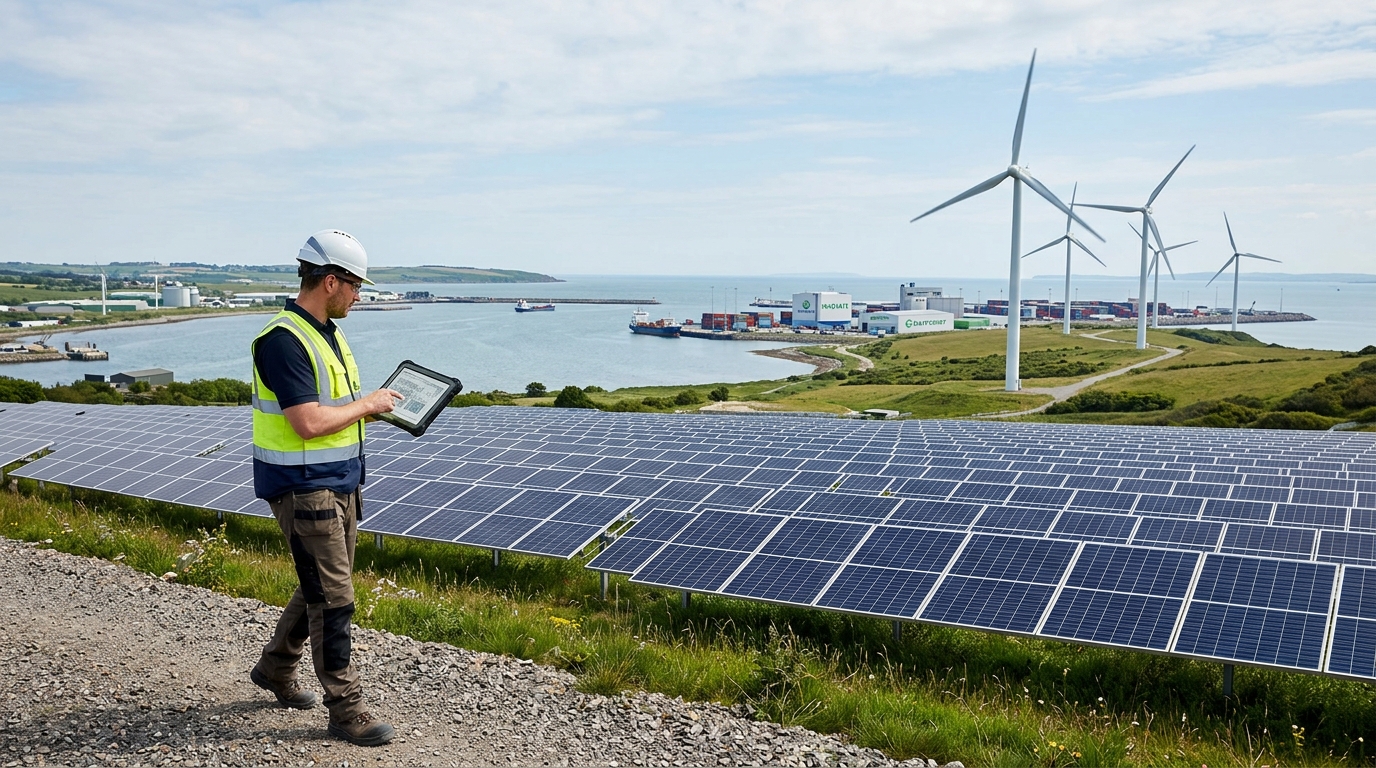
The Future is Being Shaped Now: A Global Race Towards Tomorrow's Energies and Innovation Economies
Introduction
Amidst rapid global transformations and increasing environmental and economic challenges, the world is witnessing an intense and unprecedented race towards investing in alternative resources and future sectors. These investments are no longer mere complementary options; rather, they have become a fundamental pillar for sustainable economic growth, ensuring energy security, and addressing the repercussions of climate change. It is an ambitious journey to reshape global economies and reduce reliance on traditional sources that have proven incapable of meeting future demands.
This radical shift in investment priorities is not a coincidence but rather the result of a confluence of multiple factors, including growing awareness of the need to protect the planet, technological advancements that have made alternatives more economically viable, and geopolitical competition for leadership in emerging fields. Nations, major corporations, and even individual investors realize that those who take the lead in these sectors will reap the rewards of prosperity and dominance in the coming decades.
The following article will shed light on this exciting global race, reviewing its historical background, the most prominent facts and figures supporting it, and its potential impacts at both local and global levels. It will also discuss expert opinions and analyses, provide an overview of future expectations for this constantly changing investment landscape, leading to a conclusion that summarizes the importance of this pivotal moment in human history.
Background and Context
Human civilization has long relied on natural resources, particularly fossil fuels, as the primary engine for its growth and industrial development. Over the past two centuries, the world has witnessed industrial revolutions built on coal, oil, and gas, leading to unprecedented levels of progress and prosperity. However, this progress did not come without a heavy price, manifested in resource depletion, environmental pollution, and rising carbon emissions that led to global warming and climate change.
Awareness of these challenges gradually increased in the second half of the 20th century, with the emergence of environmental movements and the publication of scientific reports warning of the dire consequences of continued reliance on the current consumption pattern. International agreements such as the Kyoto Protocol and the Paris Agreement, despite their challenges, served as milestones in efforts to unify global endeavors towards a more sustainable future. These agreements set ambitious goals for emission reduction and encouraged the transition to clean energy sources.
Another crucial factor driving this race is astonishing technological progress. What was considered a costly dream decades ago has today become an economic reality thanks to innovations in solar energy, wind power, and energy storage. The costs of renewable energy production have significantly decreased, making it competitive, and sometimes even cheaper than fossil fuels in many regions. Furthermore, the emergence of technologies such as artificial intelligence, the Internet of Things, biotechnology, and quantum computing has opened up entirely new horizons for economic growth and redefined the concept of future industries, making investment in them an imperative for leadership and prosperity.
Details and Key Facts
The alternative resources and future sectors witnessing massive investment flows are diverse, encompassing key axes that define the contours of the new global economy. At the forefront of these axes is renewable energy, which is no longer just an alternative but has become a major driver of growth. Global investments in renewable energy have reached record figures, exceeding 500 billion US dollars in 2022 alone, according to the International Energy Agency, with expectations of reaching one trillion dollars annually by 2030. Solar and wind energy account for the largest share, supported by tremendous developments in panel efficiency and wind turbines, in addition to significant progress in large-scale battery energy storage technologies.
The race is not limited to energy but extends to include Artificial Intelligence (AI) and advanced digital technologies. The global AI market is valued at billions of dollars and is expected to grow at double-digit annual rates to reach trillions in the near future. Technology giants and governments alike are investing in the development of advanced chips, cloud computing, big data analytics, and complex algorithms that are changing the face of industry, medicine, education, and transportation. These technologies are not only standalone sectors but also essential enablers for all other future sectors, from smart agriculture to sustainable cities.
Another vital sector is biotechnology and precision medicine, which has seen qualitative leaps thanks to advances in understanding the human genome and the development of tools such as CRISPR gene-editing technology. Investments are directed towards developing treatments for intractable diseases, producing new vaccines, developing climate-resilient agriculture, and even lab-grown meat to reduce the environmental footprint. Furthermore, the space economy and advanced technology are experiencing an unprecedented awakening, with new players entering alongside government agencies. Private companies are racing to explore space, provide satellite internet services, and even plan to mine resources from asteroids, opening up entirely new economic horizons.
Finally, the circular economy and sustainable materials emerge as a vital sector. Instead of the linear "make, use, dispose" model, the circular economy aims to minimize waste, reuse resources, and recycle them to the maximum extent. Investments in this area include developing biodegradable materials, technologies for more efficient recycling of plastics and electronics, and designing products with longer lifespans and repairability. All these sectors do not operate in isolation but overlap and integrate to form a new global economic fabric, driven by massive investment injections from sovereign wealth funds, venture capital firms, and multinational corporations racing to dominate these emerging markets.
Impact and Significance
The impact of this global race towards investing in alternative resources and future sectors extends to multiple aspects of human life, from reshaping the global economic map to directly affecting the environment and societies. On the economic front, this transformation means creating millions of new job opportunities in sectors such as renewable energy, battery manufacturing, software development, and scientific research in biotechnology. However, it also poses challenges to traditional sectors, such as the fossil fuel industry, necessitating retraining and rehabilitation programs for affected workforces to ensure a just and successful transition.
As for the environmental front, the importance is invaluable. This transformation represents the greatest hope for addressing global climate change, by significantly reducing carbon emissions and preserving natural resources from depletion. Increased reliance on solar and wind energy reduces the need to burn fossil fuels, while the circular economy contributes to reducing waste and environmental pollution. These investments are an investment in the health and sustainability of the planet for future generations and are a fundamental pillar for achieving the United Nations Sustainable Development Goals.
From a social perspective, this race can lead to an improved quality of life in communities around the world. Access to affordable, clean, and sustainable energy can light the homes of millions living without electricity and foster development in remote areas. Advances in biotechnology and precision medicine also promise a revolution in healthcare, enabling more effective and personalized diagnosis and treatment of diseases. However, social challenges must be addressed, such as ensuring equity in the distribution of these benefits, avoiding the widening of the digital or technological gap between rich and poor communities, and providing continuous education and training programs to keep pace with new skill requirements.
The enormous geopolitical impact of this transformation cannot be overlooked. Countries that invest heavily in these new sectors will gain increasing economic and political influence, potentially reshaping the global power map. Energy security, which largely depended on oil and gas producing regions, will shift to being linked to the ability to generate and store renewable energy, and to technological superiority in areas such as artificial intelligence and quantum computing. This implies a shift in interdependence among nations and may lead to the emergence of new alliances or the exacerbation of existing rivalries for technological and economic leadership.
Opinions and Analyses
Opinions and analyses regarding this global race vary between cautious optimism and warnings of formidable challenges. Many economic experts and financial analysts believe that this transformation represents an unparalleled opportunity for sustainable and resilient economic growth. They point out that investments in renewable energy and digital technologies create immense added value, drive innovation, and open up entirely new markets. For example, some believe that green hydrogen could become the fuel of the future for heavy industries and transport, creating an industry worth trillions of dollars in the coming decades. They also emphasize that investing in these sectors reduces global energy price volatility and increases countries' independence in meeting their needs.
On the other hand, skeptics and some environmental advocates warn that the transition may not be as rapid or comprehensive as required. They point out that the scale of investments needed to achieve climate goals and a complete energy transition remains enormous, requiring greater concerted efforts from governments and the private sector. They also raise concerns about regulatory and bureaucratic challenges that may hinder the deployment of new technologies, and resistance from traditional sectors that may lose their influence. There is also concern about whether developing countries will receive a fair share of these investments, or if they will fall behind, thus widening the global technological and economic gap.
One important aspect that geopolitical analysts focus on is the fierce competition among major powers to dominate these future sectors. The United States, China, and the European Union see leadership in artificial intelligence, quantum computing, and biotechnology as key to economic and military hegemony in the 21st century. This competition can drive innovation at a rapid pace, but it could also lead to trade and technological warfare, narrowing the scope of international cooperation that is indispensable for addressing common global challenges such as climate change and pandemics. Analyses suggest that countries adopting comprehensive national strategies that combine research and development, support for startups, and a stimulating regulatory environment are most likely to succeed in this intense race.
Forecasts and the Future
Future forecasts for this global race indicate continued momentum in investment and innovation at an accelerating pace, with the emergence of new technologies and unexpected developments. Renewable energy is expected to continue its dominance in new energy sector investments, with a radical shift towards green hydrogen as a primary fuel for heavy industries, maritime, and air transport, which will see investments estimated at billions of dollars annually by 2040. Energy storage technologies will also witness tremendous developments, increasing the reliability of electricity grids dependent on intermittent sources.
In the field of Artificial Intelligence and Digital Technologies, we expect AI to become an integral part of every aspect of our lives, from personalized healthcare to smart cities and precision agriculture. Quantum computing will evolve from the research phase to practical applications in areas such as drug discovery and data encryption, completely changing the rules of the game. Investments in digital infrastructure, including 5G and 6G networks, and decentralized cloud computing, will increase to enable this comprehensive digital transformation.
The focus on sustainability and the circular economy will intensify, with increasing pressure from consumers and regulators on companies to adopt more environmentally friendly practices. Sustainable materials, such as bioplastics and recycled materials, will become an essential part of global supply chains. Cities will also undergo a radical transformation towards smart and green transport systems, climate-resilient infrastructure, and advanced waste management systems aimed at achieving zero waste. These transformations will not be possible without strong support from government policies that will provide incentives for investment in these areas and impose stricter environmental standards.
Despite the enormous opportunities, significant challenges will remain. These include the need to develop regulatory frameworks that keep pace with the speed of technological development, and ensuring data security and privacy in an increasingly interconnected digital world. Furthermore, investment in human capital will be crucial, through continuous education and training programs to qualify the workforce for future professions. Ultimately, the future will witness conflict and competition, but it will also see unprecedented international cooperation to address common planetary challenges, as the fate of humanity has become closely linked to the investment decisions made today in these vital sectors.
Conclusion
The global race towards investing in alternative resources and future sectors is not merely a fleeting economic trend; it is a profound civilizational transformation that redefines the relationship between humans and the environment, and between technology and development. It represents a pivotal moment in human history, where the world is racing not only towards profit but also towards building a more sustainable, just, and prosperous future for generations to come. This race is driven by environmental necessity, technological potential, and unceasing human ambition.
The facts and figures show that this transformation is not just wishful thinking, but a reality embodied in billions of dollars poured annually into renewable energy, artificial intelligence, biotechnology, and the space economy. These investments promise not only to save the planet from the ravages of climate change but also to open unprecedented horizons for economic growth, create new job opportunities, and improve the quality of life for millions of people around the world. However, fulfilling these promises requires concerted efforts, overcoming challenges, and ensuring that the benefits of this progress are accessible to all.
In conclusion, this race calls upon us to reflect deeply on our collective and individual responsibility. The future we seek is not an inevitable destiny but a result of the decisions we make today. It calls on governments to enact supportive and stimulating policies, companies to embrace innovation and sustainability as pillars of their growth, and individuals to support these trends through their consumption and professional choices. It is an invitation to participate in shaping tomorrow, because the future is being formed now, and every investment in alternative resources and future sectors is a step towards a better world.
Related Articles

How Geopolitical Tensions and Advanced Technology Reshape the Global Economy
A comprehensive analysis of the impact of geopolitical conflicts, the artificial intelligence revolution, and the debt crisis on restructuring the global economy, changing power balances, and the movement of emerging and advanced markets.
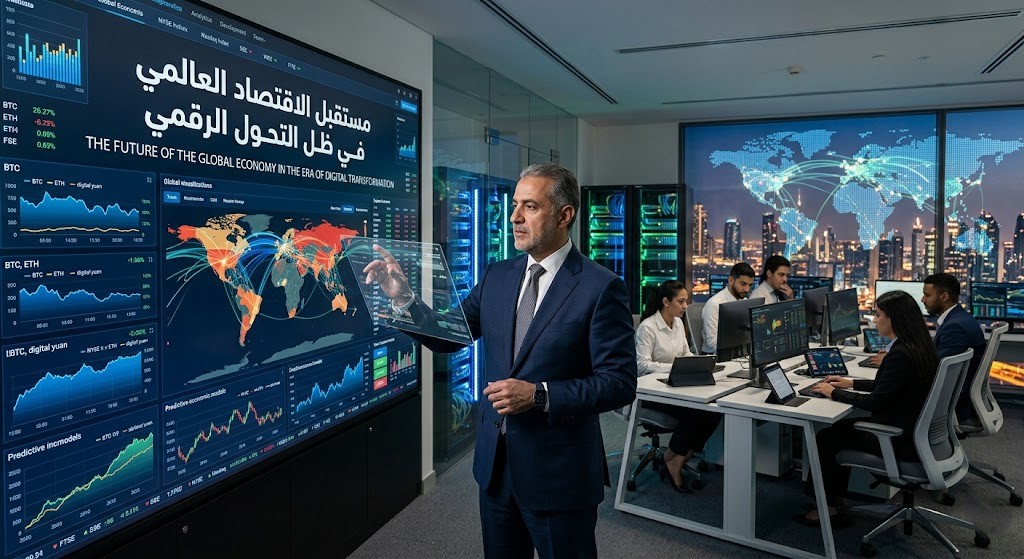
The Future of the Global Economy in Light of Digital Transformation
The global economy is undergoing an unprecedented radical transformation driven by the digital revolution. From artificial intelligence to the Internet of Things and blockchain, these technologies are reshaping industries, creating new business models, and changing the nature of work. This article provides a comprehensive overview of the immense opportunities offered by this transformation, along with the significant challenges that must be addressed to ensure a more inclusive and sustainable economic future.
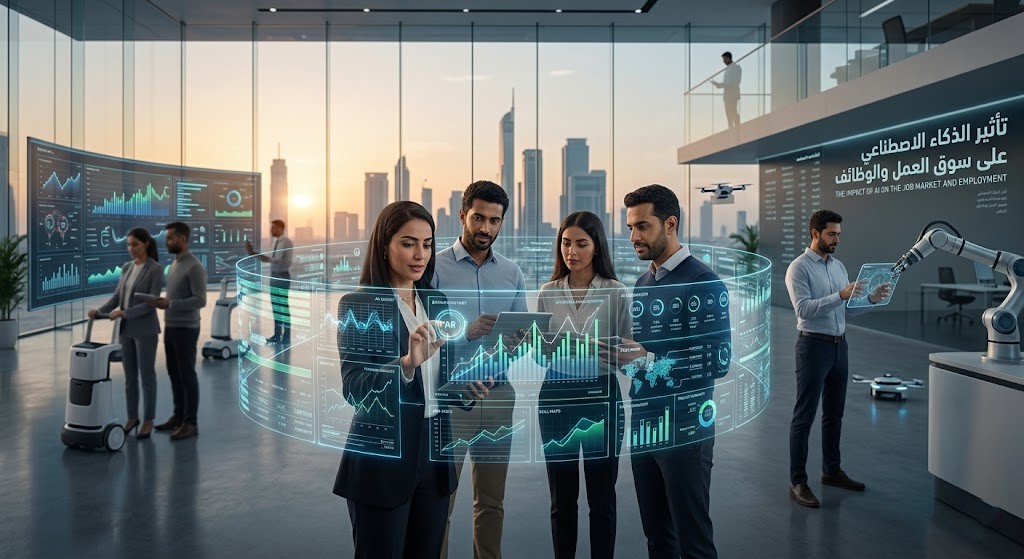
The Impact of Artificial Intelligence on the Labor Market and Jobs
The world is witnessing an unprecedented technological revolution led by artificial intelligence. This revolution is fundamentally reshaping the concepts of work and jobs. Explore with us how the global labor market is preparing for these fundamental transformations and what that means for the future of millions of workers and job seekers.