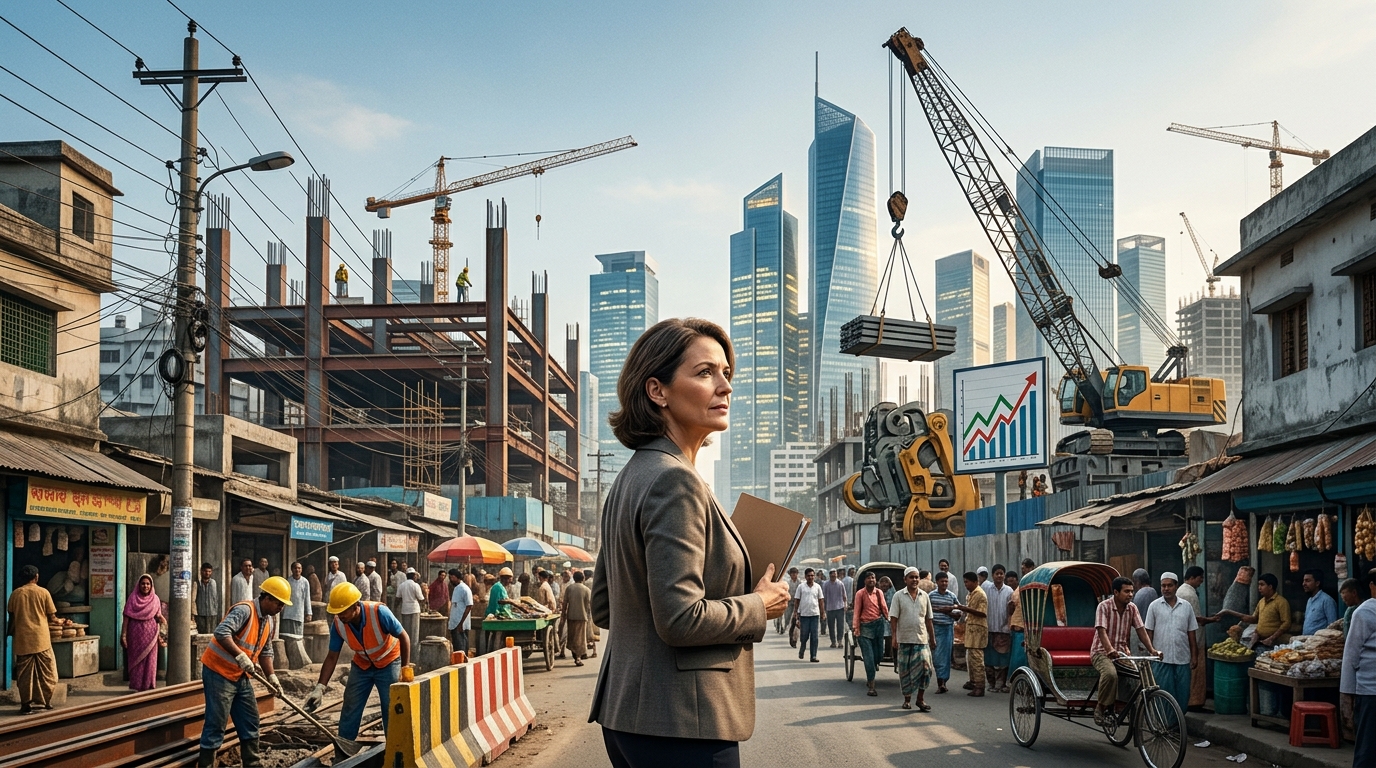
Challenges of Economic Growth in Emerging Nations: An Ongoing Struggle Towards Prosperity
A Strong Introduction
Emerging economies are vital engines of global economic growth, comprising the majority of the world's population and contributing an increasing share of global GDP. These economies, thanks to their immense human and natural resources, have long promised lucrative investment opportunities and unparalleled commercial expansion, making them a focal point in the constantly changing international economic landscape. However, these nations' journey towards achieving sustainable development and economic prosperity is not without obstacles; rather, it is fraught with complex and intertwined challenges that demand innovative and integrated responses.
Understanding these challenges is not merely an academic exercise; it is an imperative for charting effective roadmaps that ensure sustained growth and achieve social justice for these ambitious peoples. These obstacles range from inherent internal structural issues, such as weak institutions and economic inequality, to cross-border external shocks, like global market fluctuations and climate crises. This article deeply reviews the most prominent challenges facing economic growth efforts in emerging countries, analyzing their dimensions and potential repercussions at both local and global levels, and anticipating the future prospects for these vital economies.
Background and Context
The term 'emerging economies' appeared in the late 1980s to describe countries undergoing rapid economic transformation, moving towards opening up to global markets and implementing structural reforms. Historically, these countries experienced periods of accelerated growth, driven by increased foreign direct investment, expanding global trade, and rising commodity prices, which led to a significant improvement in living standards in many of them. This boom lifted hundreds of millions of people out of poverty and opened new horizons for international economic cooperation, heralding a new era of global prosperity and interconnectedness.
However, this growth has not always been uniform and often relied on fragile external factors, leading to significant disparities among emerging countries themselves. Some succeeded in building more diversified and resilient economies, while others remained captive to limited sectors or fluctuations in natural resource prices, making them vulnerable to global economic shocks. Furthermore, many of these economies inherited historical legacies of political and social instability, in addition to unbalanced economic structures, which further complicated the task of achieving sustainable and inclusive development.
In the last decade, pressures on these economies have significantly increased, as chronic internal challenges intertwined with unprecedented global shocks, such as the COVID-19 pandemic, escalating geopolitical turmoil, global inflation, and the repercussions of climate change. These circumstances slowed the momentum of growth and revealed deep structural weaknesses, necessitating a comprehensive re-evaluation of the development strategies adopted. Understanding this historical context and recent developments is essential to grasp the magnitude of complexities facing emerging economies today in their pursuit of growth and prosperity.
Key Details and Facts
Recent economic data show that many emerging countries face increasing debt burdens, with public debt in some exceeding critical levels, limiting their ability to spend on essential services and invest in vital infrastructure. According to reports from the International Monetary Fund and the World Bank, the debt-to-GDP ratio in many of these countries has risen significantly over the past few years, driven by government spending to address crises, declining revenues, and rising borrowing costs in global markets. This situation creates a vicious cycle of reliance on debt to fill financing gaps, threatening long-term financial stability.
In addition to debt burdens, inflation and exchange rate fluctuations are among the most prominent dilemmas that negatively affect citizens' purchasing power and hinder economic stability. With rising global energy and food prices, emerging economies face imported inflationary pressures that are difficult to control, especially those heavily reliant on imports. This leads to the erosion of local currency values, making imports more expensive, increasing the burden of servicing foreign-denominated debts, and creating an unfavorable environment for both domestic and foreign investment. These fluctuations deepen investor and consumer uncertainty, reducing confidence in overall economic performance.
Furthermore, many emerging countries suffer from high levels of income and and wealth inequality, a problem exacerbated by weak social safety nets and limited access to quality education and healthcare. Statistics show that the gap between rich and poor is widening in many of these countries, generating social and political tensions that could escalate into serious unrest and threaten the cohesion of the social fabric. These disparities not only hinder human development but also limit the potential for inclusive economic growth, as a large segment of the population does not benefit from the fruits of development, thereby reducing aggregate demand and limiting the economy's capacity for innovation and production.
In addition to the above, inadequate infrastructure and weak institutions remain a major barrier to sustainable growth. Many emerging economies lack modern transport networks, reliable energy supplies, and advanced digital infrastructure, which hinders productivity and limits competitiveness. Furthermore, weak governance, rampant corruption, and ineffective legal systems undermine investor confidence and impede the implementation of necessary economic reforms. These factors combined create an unattractive business environment and increase the cost of doing business, slowing the flow of investments needed to create jobs and stimulate growth.
Impact and Significance
The repercussions of economic growth challenges in emerging countries extend beyond their geographical borders, casting shadows over the economic and social stability of these nations, directly affecting the lives of millions of people. At the local level, slowed growth leads to rising unemployment rates, especially among youth, deteriorating living standards, and the erosion of the middle class, generating widespread frustration and social unrest. Furthermore, declining purchasing power and rising living costs push more families into poverty, undermining any previous developmental gains and placing immense pressure on governments to meet their citizens' basic demands.
At the regional level, weak growth in one country can have cascading effects on neighboring countries through trade, investment, and migration channels. For example, a decline in demand in a large emerging economy could lead to a decrease in exports from neighboring countries, negatively impacting their economies. Moreover, political or economic instability in one country can trigger waves of irregular migration, placing additional burdens on host countries and raising new security and social challenges. This regional interconnectedness makes it crucial for countries to work together to address common challenges.
Globally, emerging countries are a fundamental component of the world economy, contributing a significant share of production, consumption, and trade. Consequently, any slowdown in their growth can cast a shadow over global growth as a whole, affecting multinational corporations, global supply chains, and commodity markets. If these economies falter, it could lead to a decrease in global demand, a slowdown in investment, and an increase in financial risks, potentially pushing the global economy towards recession. This complex interdependence highlights the utmost importance of supporting emerging countries in overcoming their obstacles, not only for their own sake but for the stability and prosperity of the entire global economy.
Political and social stability in emerging countries also holds significant geopolitical importance. Economic disruptions can lead to political instability, which in turn can fuel regional and international conflicts and affect global security. Furthermore, failure to achieve sustainable development can exacerbate challenges such as terrorism, organized crime, and climate change—issues that no single country can confront alone. Therefore, addressing growth challenges in these countries is not merely an economic matter but an integral part of maintaining global peace and security.
Opinions and Analyses
There are multiple perspectives on the best ways to address economic growth challenges in emerging countries. Some economists believe that the focus should be on internal structural reforms, such as strengthening good governance, combating corruption, improving the business environment, and developing local capital markets. They emphasize that building strong and transparent institutions is the foundation for any sustainable growth, and that excessive reliance on external support or factors will only provide temporary solutions. They also argue that diversifying economies away from dependence on natural resources is vital for achieving resilience in the face of global market fluctuations, and that investing in human capital through education and health is key to long-term development.
Conversely, others argue that external challenges, such as commodity price fluctuations, climate change, and the monetary policies of developed countries, play a crucial role in hindering the efforts of emerging nations. They emphasize the necessity of a more just and equitable global economic system, one that includes better mechanisms for debt relief, sustainable development financing, and addressing unequal trade issues. They also call for increased support from international financial institutions to provide safety nets during crises and offer necessary technical assistance to build local capacities. They believe that international coordination to confront issues like climate change and pandemics is indispensable, as no single emerging country can bear the burden of these challenges alone.
There is also an analysis that links economic growth challenges with current geopolitical shifts, as international relations witness increasing competition among major powers, affecting the development options available to emerging countries. These nations may find themselves under pressure to align with a specific economic bloc, which could limit their autonomy in economic decision-making and reduce their ability to benefit from diverse sources of investment and technology. This competition could also lead to the fragmentation of the global economy, hindering trade and investment flows, and making sustainable growth more difficult to achieve. Therefore, understanding these geopolitical dynamics has become essential for formulating effective development strategies.
Furthermore, the importance of technological innovation and digital transformation as levers for growth is acknowledged, but with significant challenges in accessing and developing these technologies locally. Experts believe that emerging countries need massive investments in digital infrastructure, the development of digital skills for their workforce, and the adoption of policies that encourage innovation and entrepreneurship. However, the digital divide remains wide between developed and emerging nations, requiring international efforts to ensure equitable access to technology and knowledge, and to prevent the exacerbation of economic disparities based on technological capability.
Outlook and Future
Emerging countries are expected to continue facing a volatile and uncertain global economic environment in the short to medium term, with ongoing challenges such as high inflation, rising global interest rates, and geopolitical risks. These factors will make it more difficult to obtain financing, increase the burden of debt servicing, and negatively affect foreign direct investment flows. Consequently, some of these economies may experience a slowdown in growth or even recession, requiring governments to take proactive and decisive measures to enhance economic resilience and protect the most vulnerable groups from the effects of these fluctuations.
Nevertheless, prospects for future growth remain, especially for countries that adopt bold structural reforms and invest in high value-added sectors. Analysts expect that countries focusing on diversifying their economies away from reliance on primary commodities, and investing in education, innovation, and digital infrastructure, will be more capable of adapting and thriving. Furthermore, regional integration and trade cooperation among emerging countries themselves can create larger markets and new growth opportunities, reducing dependence on traditional markets of developed countries and enhancing these economies' negotiating power on the international stage.
In the long term, the future of economic growth in emerging countries will largely depend on their ability to adapt to major global challenges, such as climate change and the transition to green energy. Investing in the green economy and renewable energies not only represents an environmental necessity but also opens new horizons for growth and job creation, attracting new investments. Furthermore, adopting modern technologies, such as artificial intelligence and blockchain, can enhance productivity and improve the efficiency of public services, provided that clear and sustainable strategies are in place to ensure equitable access to these technologies and to develop the necessary human competencies for their effective use.
The increasing role of international financial institutions and multilateral cooperation will also be crucial in determining the future growth trajectory. Support in debt relief, providing financing on favorable terms, and exchanging expertise and knowledge can offer a necessary safety net for these economies during periods of crisis. Furthermore, strengthening public-private partnerships and attracting responsible investments that consider environmental and social dimensions will contribute to building more sustainable and inclusive economies. The future holds both challenges and opportunities, and the success of emerging countries will depend on their ability to seize opportunities intelligently and confront challenges with flexibility and wisdom.
Conclusion
In conclusion, the challenges of economic growth in emerging countries manifest as a complex tapestry of internal structural issues and cross-border external shocks, demanding comprehensive and multi-dimensional approaches. From accumulated debt burdens to inflation and currency fluctuations, through income disparities and weak institutions, these obstacles intertwine to threaten the stability of these economies and slow their progress towards prosperity. Failure to address these challenges not only impacts the lives of millions of people within these countries but also extends its effect to economic and political stability at both regional and global levels, underscoring the deep interconnectedness between the destinies of these economies and the global economy as a whole.
Confronting these challenges is not an easy task; it requires strong political will, deep economic reforms, strategic investments in human capital and infrastructure, as well as strengthening good governance and combating corruption. Furthermore, effective international cooperation and support from global financial institutions are two essential pillars to help these countries build more resilient and diversified economies, capable of absorbing shocks and achieving sustainable and inclusive growth. Achieving sustainable development in emerging countries is not an option but an imperative to ensure a more stable and just future for all humanity.
Therefore, the call is now directed to the leaders of these countries, and to the entire international community, to reflect deeply on these issues and work together to formulate and implement innovative and sustainable solutions. The future of global economic growth, and the ability to achieve sustainable development goals, largely depend on the success of emerging countries in overcoming their obstacles and realizing their full potential. Let us remember that shared prosperity is the only path towards a more just and stable world, and that current challenges are simultaneously opportunities to rethink and rebuild on stronger, more sustainable foundations.
Related Articles

How Geopolitical Tensions and Advanced Technology Reshape the Global Economy
A comprehensive analysis of the impact of geopolitical conflicts, the artificial intelligence revolution, and the debt crisis on restructuring the global economy, changing power balances, and the movement of emerging and advanced markets.

The Future of the Global Economy in Light of Digital Transformation
The global economy is undergoing an unprecedented radical transformation driven by the digital revolution. From artificial intelligence to the Internet of Things and blockchain, these technologies are reshaping industries, creating new business models, and changing the nature of work. This article provides a comprehensive overview of the immense opportunities offered by this transformation, along with the significant challenges that must be addressed to ensure a more inclusive and sustainable economic future.
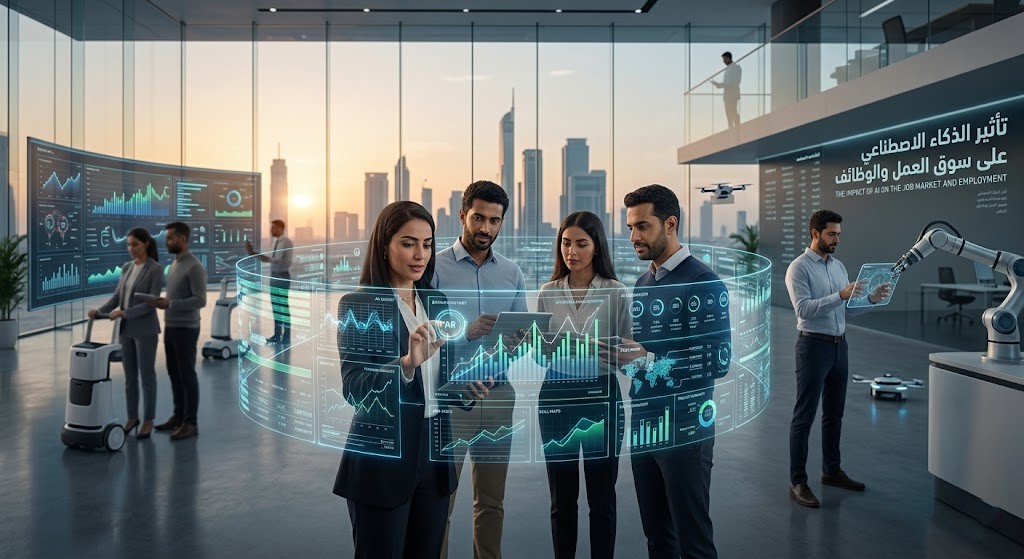
The Impact of Artificial Intelligence on the Labor Market and Jobs
The world is witnessing an unprecedented technological revolution led by artificial intelligence. This revolution is fundamentally reshaping the concepts of work and jobs. Explore with us how the global labor market is preparing for these fundamental transformations and what that means for the future of millions of workers and job seekers.